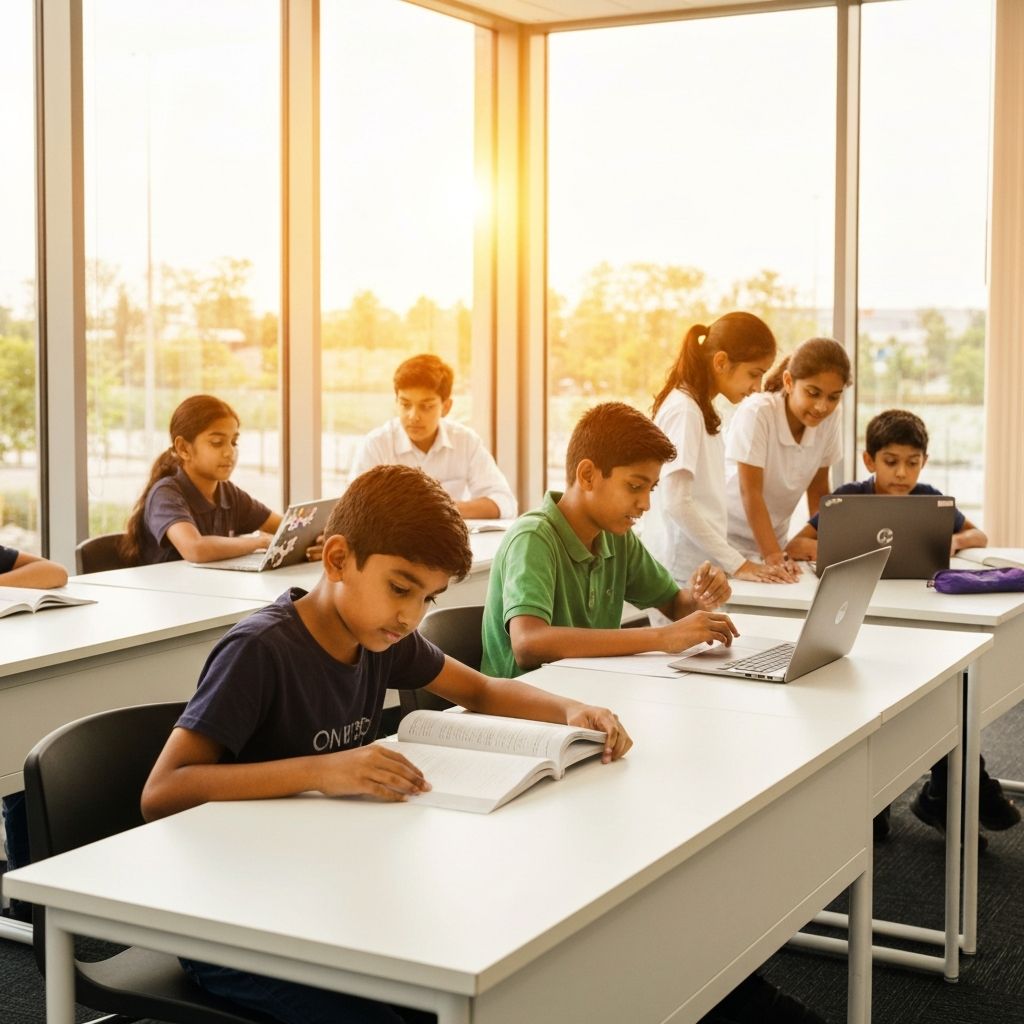
Rural education in Sindh faces numerous challenges — from limited access to qualified teachers, to a shortage of learning resources, to deeply rooted socio-economic barriers that keep children, especially girls, out of school.
At Indus Educational Academy, we believe education is the single most powerful tool for breaking the cycle of poverty. Since our establishment in 2002, we have witnessed firsthand how access to quality education transforms not just individual lives but entire communities.
When a young girl from UC Kurkuli learns to read, she doesn't just gain literacy — she gains the ability to advocate for her health, participate in civic life, and contribute economically to her household. When a boy masters basic computer skills at our Indus Computer Centre, he gains pathways to employment that were previously unimaginable for rural youth.
The numbers tell a compelling story: over 1,100 students currently enrolled, 26 dedicated teachers, and partnerships with organizations like Sindh Education Foundation, USAID, and the Japan Water Forum Fund. But behind those numbers are thousands of personal stories of transformation.
Our approach is rooted in participatory development. We don't simply build schools — we engage the community in every step of the process, from planning to implementation. Parents sit on committees, local leaders contribute to curricula decisions, and students are empowered as agents of change in their own villages.
The journey is far from over. Rural Sindh still has one of the lowest literacy rates in Pakistan. But every child we educate, every teacher we train, and every community we engage brings us one step closer to a future where every child has access to quality education regardless of where they were born.