The devastating floods that periodically hit Sindh province test the resilience of rural communities to their limits. For IWA, disaster response is not just a humanitarian obligation — it's an extension of our mission to serve and protect vulnerable populations.
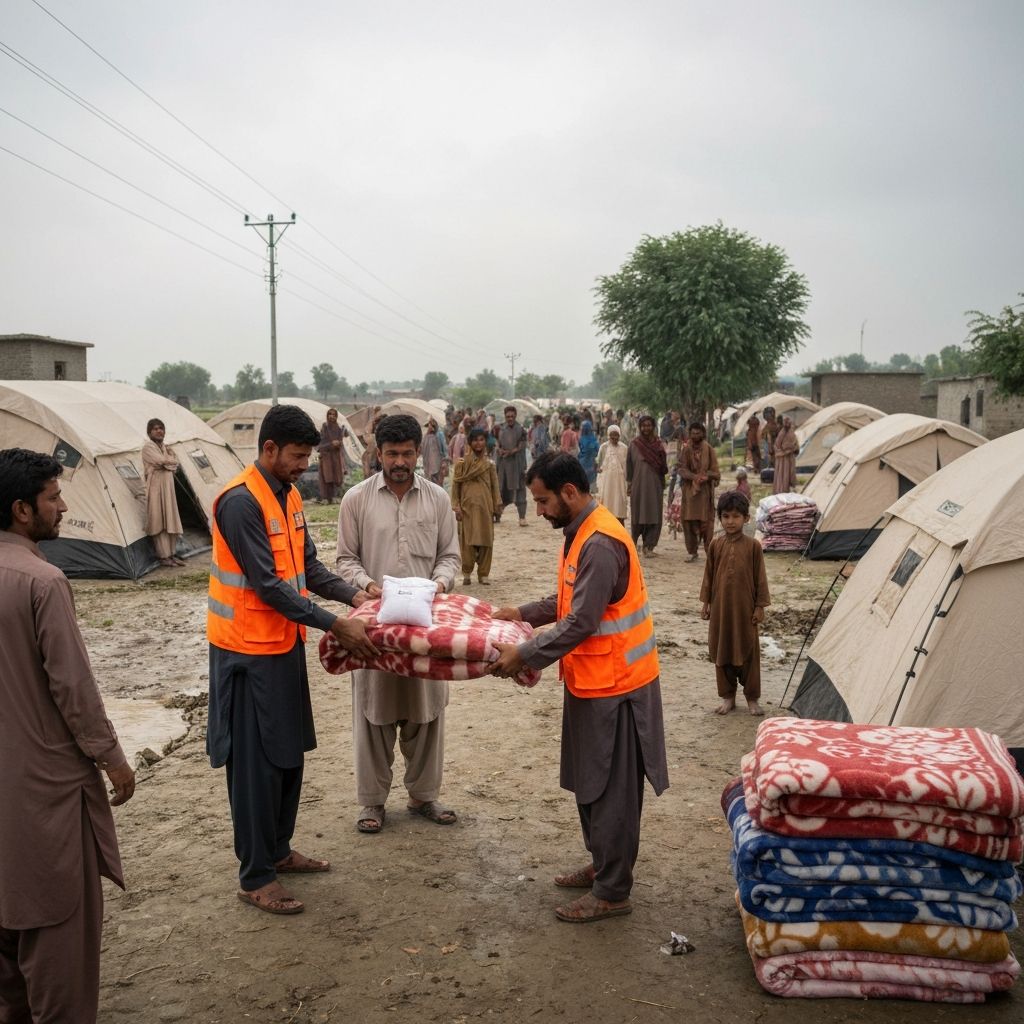
Working in the most vulnerable locations of District Sanghar, IWA partnered with the International Organization for Migration (IOM) to deliver critical Non-Food Items (NFI) to thousands of flood-affected families.
The scale of distribution was significant: - 1,000 Blankets - 500 Kitchen Sets - 1,000 Plastic Sheeting - 500 Ropes - 500 Toolkits - 500 Jerry Cans - 1,000 Sleeping Mats
These items, while basic, represent the difference between dignified survival and utter despair for families who have lost everything to floodwaters. A blanket means warmth during cold nights in temporary shelters. A kitchen set means the ability to cook meals for children. Plastic sheeting means a roof over one's head.
Our field teams worked in extremely challenging conditions — navigating flooded roads, coordinating with local authorities, and ensuring that aid reached the most vulnerable households, particularly those headed by women, the elderly, and persons with disabilities.
The partnership with IOM leveraged IWA's deep community networks and local knowledge with IOM's international logistics expertise and resources. This combination ensured efficient, equitable distribution across affected areas.
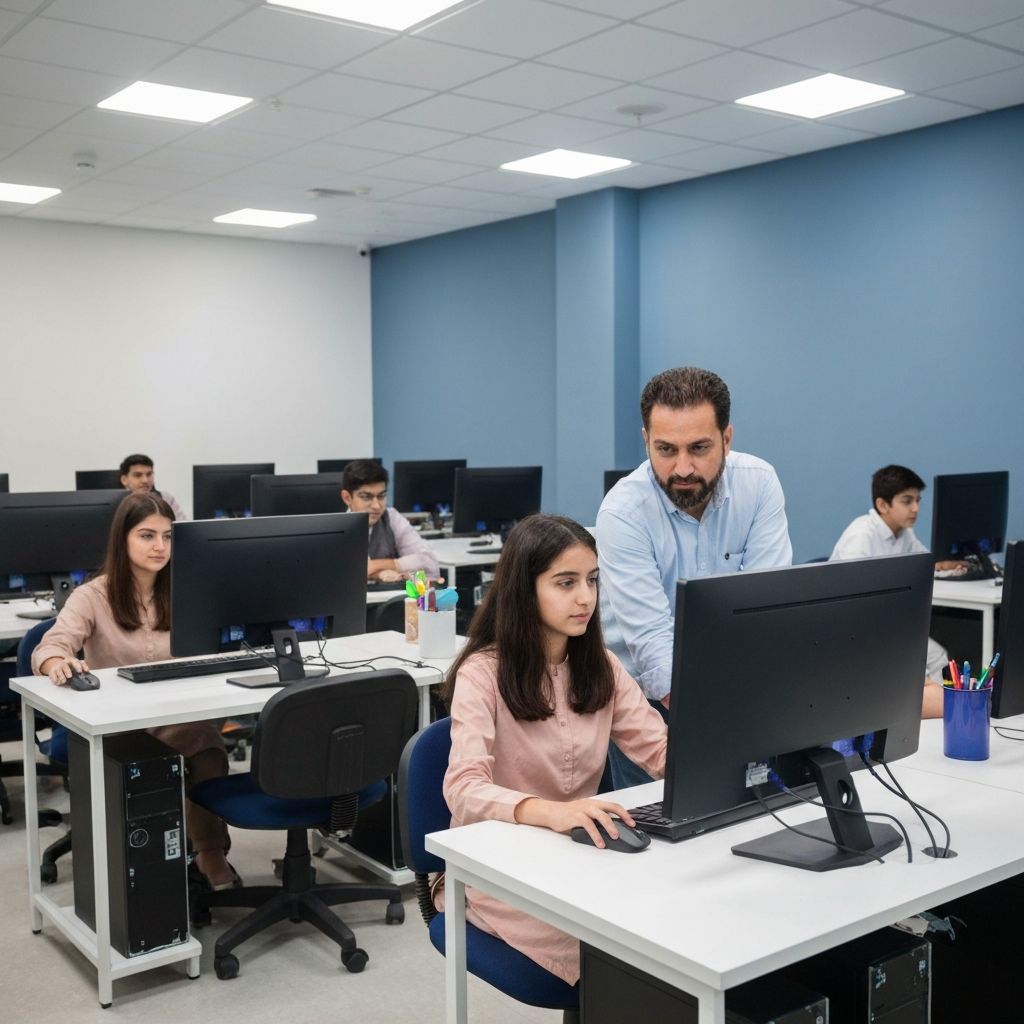
Disaster response also reinforced a critical lesson: the communities best positioned to recover from natural disasters are those with strong social infrastructure, education, and organization. This is precisely what IWA builds through its ongoing education and community development programs.
As climate change intensifies flood risks in Sindh, IWA remains committed to both immediate disaster response and long-term community resilience building.